
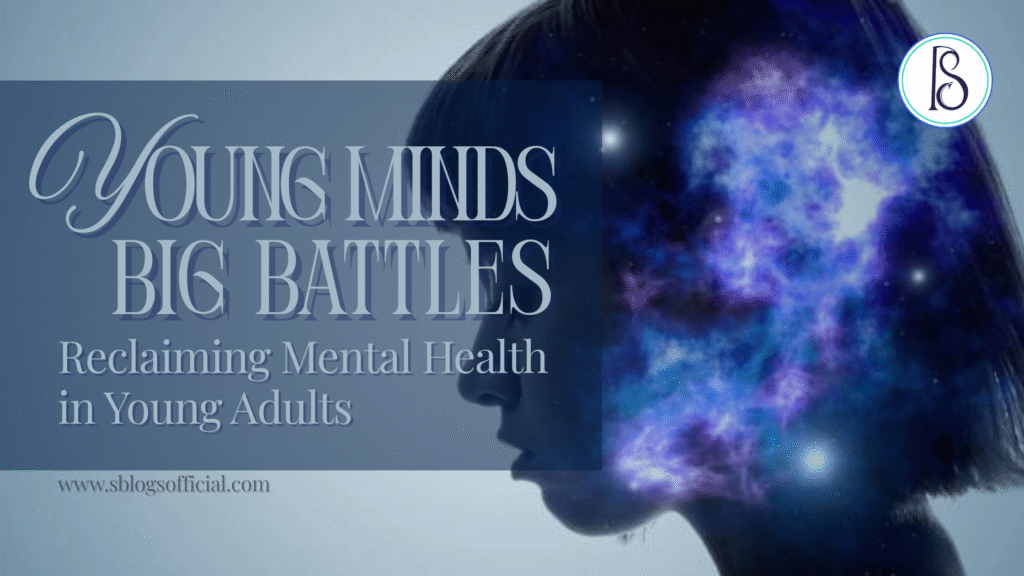
Today is World Mental Health Day, a global moment to pause, reflect, and spark meaningful conversations about something we can no longer afford to whisper about. In honour of this crucial observance, we’re sharing this comprehensive guide because mental health in young adults isn’t just a personal concern; it’s a societal imperative that affects our collective future.
Consider a generation brimming with potential, talent, and innovation, yet quietly drowning in anxiety, depression, and overwhelming stress. This isn’t hyperbole—it’s the stark reality facing millions of young adults worldwide. Recent studies reveal that nearly one in four young adults between 18 and 29 experiences a diagnosable mental health condition, with anxiety and depression leading the charge.
But here’s what often goes unnoticed: mental health in young adults doesn’t just affect how they feel—it fundamentally shapes what they can achieve. When your mind is consumed by worry, paralysed by self-doubt, or fogged by exhaustion, creativity withers. Innovation stalls. That brilliant idea remains trapped, unable to break through the mental noise.
This World Mental Health Day, we’re confronting an uncomfortable truth

We’re witnessing a creative crisis masquerading as a mental health epidemic. The very generation meant to solve tomorrow’s problems, create breakthrough art, and build transformative businesses is struggling to get through today. Their capabilities, focus, imagination, problem-solving, and resilience are being systematically eroded by untreated or under-supported mental distress.
Yet there’s hope in awareness. Understanding mental health in young adults, recognising its impacts, and implementing practical solutions can help reclaim not just wellbeing, but the boundless creative potential that anxiety and depression have held hostage. This isn’t about returning to “normal”—it’s about building something better.
Also- what herbs have the most health benefits | Potent Remedies
Beyond Worry: How Mental Distress Hijacks Focus and Creativity
Understanding how mental health in young adults directly compromises their capabilities is crucial to addressing this crisis effectively. Mental distress doesn’t simply make people “feel sad” or “a bit stressed”—it fundamentally alters brain function, decision-making, and creative output in measurable, significant ways.
Cognitive Decline: When Your Brain Won’t Cooperate
Young adults struggling with anxiety or depression frequently describe feeling like they’re “thinking through treacle” or experiencing what’s colloquially known as brain fog. This isn’t imagination—it’s neuroscience.
Concentration Collapse:
Anxiety floods the brain with cortisol and adrenaline, hormones designed for immediate survival, not sustained focus. This makes sitting through a lecture, completing a work project, or even finishing a book chapter feel impossibly difficult. Your brain keeps scanning for threats rather than engaging with the task at hand.
Memory Malfunction:
Depression affects the hippocampus, the brain region responsible for forming new memories and retrieving existing ones. Young adults often report forgetting appointments, losing track of conversations, or struggling to recall information they learned just days earlier.
Decision-Making Paralysis:
When mental health deteriorates, even simple choices—what to eat for breakfast, which task to tackle first—become overwhelming. This “analysis paralysis” stems from the prefrontal cortex being hijacked by emotional distress, making rational evaluation feel impossible.
Erosion of Creativity: When Innovation Goes Silent

Creativity thrives in playful, exploratory mental states. Mental health in young adults suffering from anxiety or depression severely restricts access to these states.
The Fear Factor:
Anxiety breeds perfectionism and catastrophic thinking. “What if this idea is stupid?” becomes “This idea is definitely stupid, and everyone will judge me.” This fear-based thinking shuts down the risk-taking essential to creative breakthroughs.
Motivation Drought:
Depression strips away the reward mechanism that makes creativity satisfying. That spark of excitement when imagining a new project? Gone. The satisfaction of problem-solving? Absent. Without these emotional rewards, creative pursuits feel pointless and exhausting.
The Cognitive Narrowing:
Mental distress literally narrows cognitive scope. Instead of seeing multiple possibilities and connections—the hallmark of creative thinking—anxious and depressed minds become tunnel-visioned, fixated on problems rather than solutions.
Also Read- Which is the Best Strategy for Avoiding Chronic Diseases Caused by a High-Calorie Diet?
Physical Manifestations: When Your Body Says “Enough”

Mental health in young adults isn’t purely psychological—it manifests physically in ways that further limit capability.
Chronic Fatigue:
Depression often brings crushing exhaustion that no amount of sleep seems to fix. Young adults describe feeling “tired to the bones,” making even basic tasks feel like climbing mountains.
Sleep Disturbances:
Anxiety disrupts sleep architecture, preventing the deep, restorative sleep necessary for memory consolidation, emotional regulation, and physical recovery. The result? A vicious cycle where poor sleep worsens mental health, which further deteriorates sleep.
Physical Burnout:
The constant state of high alert that anxiety creates is physiologically exhausting. Muscle tension, headaches, digestive issues, and weakened immunity become chronic companions, further limiting what young adults can accomplish.
Also Read- Sleep Hygiene for Teenagers | Expert Guide to Better Sleep (2024)
III. Main Causes of Mental Health Strain
Why is mental health in young adults deteriorating so dramatically? Understanding the causes helps us address them strategically.
Academic and Career Pressure: The Achievement Treadmill

Today’s young adults face unprecedented pressure to excel academically while simultaneously building impressive CVs, maintaining side hustles, and networking relentlessly. University fees have skyrocketed, creating crippling debt that demands high-paying careers—which themselves demand perfect grades, multiple internships, and constant skill acquisition.
The message is clear and exhausting: you must be extraordinary just to be adequate. This relentless pressure creates chronic stress that rarely abates, as there’s always another exam, another application, another milestone to achieve.
Also Read- Mastering Your Calm: A Friendly Guide to Positive Stress Management Techniques
The Digital World: Connection That Isolates
Social media promised to connect us, but has instead created a performance stage where mental health in young adults becomes collateral damage.

Comparison Culture:
Social media presents carefully curated highlight reels that become impossible standards. Everyone else appears successful, attractive, and effortlessly happy, whilst you’re struggling with ordinary life challenges.
Validation Addiction:
Likes, comments, and followers become proxies for self-worth. The dopamine hit of social media engagement creates addiction patterns whilst simultaneously increasing anxiety about how others perceive you.
Always-On Anxiety:
The 24/7 nature of digital communication means you’re never truly off-duty. Messages demand immediate responses. News alerts bring constant crisis updates. There’s no escape from information overwhelm.
Also Read- Stages of Depression | Understanding Symptoms
The Global Climate: Living in Uncertain Times
Young adults have inherited a world facing a climate crisis, political polarisation, economic instability, and repeated global disruptions. “Eco-anxiety”—distress about environmental collapse—is now recognised as a legitimate mental health concern affecting millions.
This generation faces an unsettling reality: the future feels profoundly uncertain. Will there be jobs? Housing affordability? A stable climate? This ambient anxiety about systemic problems beyond individual control creates a persistent background hum of distress.
Loneliness and Social Isolation: The Paradox of Connection
Despite being the most digitally connected generation in history, young adults report unprecedented loneliness. Mental health in young adults suffers profoundly when genuine, face-to-face human connection becomes rare.
Online interactions, whilst valuable, don’t trigger the same neurological responses as physical presence. The oxytocin release, the reading of subtle body language, the shared physical space—these elements of connection are irreplaceable, and their absence creates a particular kind of isolation.
Lack of Work-Life Boundaries: The “Always On” Culture
Remote work and digital connectivity have erased traditional boundaries between professional and personal time. Young adults often feel pressured to respond to emails at midnight, work through weekends, or constantly prove their productivity. This boundary erosion makes genuine rest and recovery impossible, accelerating burnout.
Also Read- Top 10 Life Stress Events: What Causes Most Stress
IV. Your Blueprint for Balance: 5 Steps to Resetting Mental Health in Young Adults
Improving mental health in young adults requires practical, sustainable strategies that address root causes whilst building resilience. Here are five evidence-based approaches you can start implementing today.

1. Digital Detox Boundaries: Reclaim Your Attention
Your relationship with technology profoundly impacts your mental state. Creating intentional boundaries transforms your digital consumption from something that controls you to something you control.
Practical Steps:
- Implement “no phone zones”—particularly the bedroom and dining table
- Set strict social media time limits (most phones have built-in tools)
- Turn off all non-essential notifications
- Establish a “digital sunset” at least one hour before bed
- Curate your social media feeds ruthlessly—unfollow accounts that trigger comparison or anxiety
- Schedule specific times to check emails and messages rather than responding constantly
These boundaries might feel uncomfortable initially, but within weeks, most people report significantly reduced anxiety and improved sleep quality.
2. Foundational Self-Care: Sleep and Nutrition for Brain Health
Mental health in young adults is closely tied to physical health foundations that are often overlooked during busy and stressful periods.
Sleep Hygiene Essentials:
- Maintain consistent sleep and wake times, even on weekends
- Create a cool, dark sleeping environment
- Avoid caffeine after 2 PM
- Use blue light filters on devices in the evening
- Develop a calming pre-sleep routine (reading, gentle stretching, meditation)
Brain-Supporting Nutrition:
- Prioritize omega-3 fatty acids (oily fish, walnuts, flaxseeds) for mood regulation
- Eat regular, balanced meals to stabilize blood sugar and mood
- Stay adequately hydrated—even mild dehydration affects cognition
- Limit processed foods, excessive sugar, and alcohol, which disrupt neurotransmitter balance
- Consider a vitamin D supplement, especially in winter months
3. Move Your Mind: Exercise as Mental Medicine
Movement is perhaps the most underutilized intervention for mental health in young adults. Physical activity doesn’t just build fitness—it fundamentally alters brain chemistry in ways that reduce anxiety and depression.
Why It Works: Exercise increases endorphins, serotonin, and BDNF (brain-derived neurotrophic factor), which supports neuroplasticity and mood regulation. It also reduces cortisol and provides structured time away from rumination.
Practical Implementation:
- Start small: even 10-minute walks make a measurable difference
- Choose activities you genuinely enjoy rather than forcing yourself through hated workouts
- Prioritize consistency over intensity—three 20-minute walks weekly beats sporadic gym sessions
- Try yoga, which combines movement with mindfulness for dual benefits
- Exercise outdoors when possible—nature exposure provides additional mental health benefits
Also Read- Natural Stress Relief: From Supplements for Stress to Stress Balls
4. Practice Mindful Disconnection: Grounding in the Present
Anxiety lives in the future (“What if?”), whilst depression dwells in the past (“If only…”). Mindfulness brings you back to the only moment you can actually influence: right now.
Simple Mindfulness Practices:
- 5-Minute Breathing Exercise: Sit comfortably, close your eyes, and focus entirely on your breath. Count to four on the inhale, hold briefly, count to four on the exhale. When thoughts intrude (they will), gently return focus to breath.
- Body Scan Meditation: Systematically focus attention on each body part, releasing tension as you go
- Mindful Activities: Fully engage with simple tasks—notice the warmth of your tea, the texture of food, the sensation of water whilst washing hands
- Gratitude Practice: Each evening, note three specific things you’re grateful for (specificity matters more than quantity)
These practices literally change brain structure over time, strengthening areas associated with emotional regulation whilst reducing activity in regions linked to anxiety and rumination.
Also Read- Top 10 Life Stress Events: What Causes Most Stress
5. Seek Connection: The Anti-Loneliness Cure
Improving mental health in young adults requires genuine human connection—the kind that can’t happen through screens.
Building Real Connection:
- Schedule regular face-to-face time with friends, treating it as non-negotiable as work meetings
- Join local groups aligned with your interests (book clubs, sports teams, creative classes)
- Volunteer—helping others provides purpose whilst naturally building community
- Initiate deeper conversations rather than small talk; vulnerability invites reciprocal openness
- Consider getting a housemate or joining shared living situations to reduce isolation
- Attend local events, workshops, or meetups to expand your social circle
Quality matters more than quantity. One genuine friendship provides more mental health benefit than dozens of superficial social media connections.
V. It’s Okay Not to Be Okay: Knowing When to Talk to a Professional
Self-help strategies are valuable, but sometimes mental health in young adults requires professional intervention. There’s no shame in this—mental health conditions are medical conditions deserving proper treatment.

Clear Signs You Should Seek Professional Help:
- Persistent Symptoms: Feeling depressed, anxious, or hopeless most days for two weeks or longer
- Functional Impairment: Difficulty maintaining work, studies, or relationships due to mental health issues
- Physical Changes: Significant sleep disturbances, appetite changes, or unexplained physical symptoms
- Substance Use: Increasing reliance on alcohol, drugs, or other substances to cope
- Social Withdrawal: Isolating from friends and activities you once enjoyed
- Thoughts of Self-Harm: Any thoughts of suicide or self-harm require immediate professional attention
How to Access Help:
- GP (General Practitioner): Your first stop for referrals to NHS mental health services
- University Counselling Services: Most universities offer free counselling to students
- Private Therapy: Online platforms like Better Help or Therapy for You offer flexible options
- Crisis Support: Samaritans (116 123), Shout (text 85258), or NHS 111 for urgent situations
Remember: seeking help isn’t weakness—it’s the strongest, most self-aware choice you can make.
Also Read- Lavender Aroma Oil: Natural Stress Relief & Sleep Guide
VI. Reclaiming Your Power: A Call to Prioritise Wellness

This World Mental Health Day, let’s be absolutely clear: mental health in young adults isn’t a luxury concern or something to address “when things calm down.” It’s the foundation upon which everything else—your career, creativity, relationships, and quality of life—is built.
The challenges facing young adults today are real, substantial, and often overwhelming. The academic pressure, digital overwhelm, economic uncertainty, and social isolation aren’t imagined difficulties—they’re the genuine landscape of modern young adulthood. Acknowledging this isn’t pessimism; it’s validation that your struggles are understandable responses to genuinely difficult circumstances.
But here’s the empowering truth: whilst you can’t control global crises, economic systems, or social media’s existence, you absolutely can influence your relationship with these stressors. Every small step—setting a phone boundary, taking a walk, reaching out to a friend, prioritising sleep—is an act of reclaiming your mental space from the forces that would occupy it entirely.
Your mind is your most valuable asset. Your creativity, focus, problem-solving ability, and resilience aren’t separate from your mental health—they are your mental health in action. Protecting and nurturing your psychological well-being isn’t selfish; it’s the prerequisite for showing up fully in your life and contributing meaningfully to the world.
Start small. Choose one strategy from this guide and implement it this week. Notice the difference. Build from there. Mental health recovery isn’t linear, and that’s perfectly okay. Progress, not perfection, is the goal.
Also Read- Crystals For Stress and Anxiety | Stress Relief Books | Laughing
Your Next Steps:
Share this post with someone who might need it. Reflect honestly on your own mental health habits. Explore our other wellness resources designed specifically for young adults navigating these turbulent times.
Most importantly: be patient and compassionate with yourself. You’re navigating unprecedented challenges with courage, and that deserves recognition. Your mental health matters. You matter. And on this World Mental Health Day and every day after, choosing to prioritise your wellbeing is the most powerful decision you can make.
Here’s to young minds reclaiming their creative power, one healthy choice at a time.
Stay connected with S Blogs Official for more health and wellness tips that can surely bring change into your life.
Resources-
Your article helped me a lot, is there any more related content? Thanks!
I’m glad to know you liked it. If you have any queries or would like to share suggestions, please feel free to reach out to us through the contact form. Thank you.